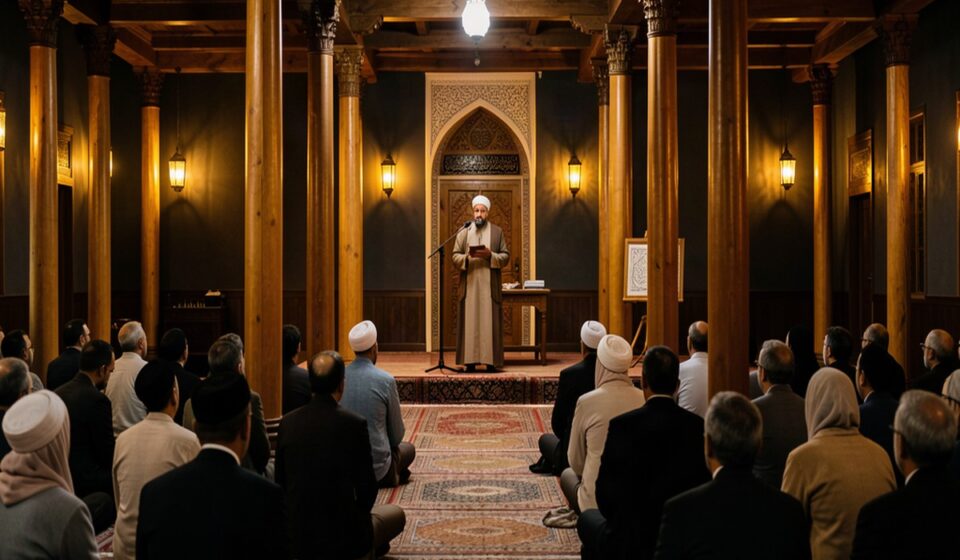

Introduction: Understanding Repentance in Islam Tawbah
Islamic Bayanat (lectures) have long served as a vital means of spiritual education and guidance for Muslims around the world. These structured talks draw their authority from the primary sources of Islam — the Holy Quran and the authentic Hadith of the Prophet Muhammad (PBUH) — to illuminate the path of faith and provide practical guidance for daily living. In this comprehensive article, we explore Repentance in Islam Tawbah, a topic of profound importance in contemporary Islamic discourse.
The beauty of Islamic Bayanat lies in their ability to make complex spiritual concepts both accessible and actionable. Whether delivered by renowned scholars in packed mosques or viewed by millions on digital platforms, these lectures have the power to transform hearts and reshape perspectives. Repentance in Islam Tawbah is explored through the lens of authentic Islamic scholarship, offering readers practical wisdom that can transform their spiritual journey.
Background & Significance
The Foundations of Repentance in Islam Tawbah in Islamic Teaching
Islamic Bayanat draw their authority and power from the primary sources of Islam — the Holy Quran, revealed as guidance for all of humanity, and the authentic Sunnah of the Prophet Muhammad (PBUH), which provides the practical example of how to live according to divine guidance. Scholars who deliver Bayanat on this important topic spend years studying these sources, learning from established teachers, and developing the ability to present complex Islamic concepts in an accessible and engaging manner.
The scholarly foundation of Islamic Bayanat is what distinguishes them from mere motivational speaking. Repentance in Islam Tawbah has been addressed by scholars across different schools of thought and historical periods, each bringing unique insights while remaining grounded in the authentic sources. This diversity of perspective enriches our understanding, showing the depth and breadth of Islamic scholarship on this important subject.
When exploring Repentance in Islam Tawbah, it is essential to approach the subject with an open heart and a sincere desire to learn and grow. Islamic knowledge is not merely academic — it is transformative, meant to be absorbed into the heart and manifested in action. The scholars who have discussed this topic emphasize that true knowledge is that which leads to action and positive change in one’s character and relationship with Allah.
Key Aspects
Scholars Who Have Illuminated This Topic
The subject of Repentance in Islam Tawbah has been addressed by many of the most respected Islamic scholars of our time, each bringing their unique perspective and approach while remaining grounded in authentic Islamic sources.
Maulana Tariq Jameel is widely recognized for his emotionally stirring Bayanat that combine deep scholarship with practical wisdom. His unique style weaves Quranic verses, Hadith, and stories of the pious predecessors into compelling spiritual narratives that touch the hearts of millions. His discussions on this topic have inspired countless individuals to transform their lives.
Maulana Ilyas Qadri, founder of the Dawat-e-Islami movement, has delivered numerous Bayanat on this subject, reaching audiences across the globe through television, digital media, and the extensive network of Dawat-e-Islami centers. His accessible style makes complex Islamic concepts understandable to people from all backgrounds.
Dr. Zakir Naik brings a comparative and evidence-based approach to Islamic lectures, drawing on Quran and Hadith to address contemporary questions and challenges. His logical presentation style appeals particularly to younger audiences seeking intellectual engagement with their faith.
Mufti Menk‘s gentle and accessible style has made Islamic teachings understandable to a global audience, with his short, impactful lectures being widely shared on social media platforms.
Practical Guidance
Practical Lessons from This Topic
The true value of an Islamic Bayan lies not in the information it conveys but in the transformation it inspires. Repentance in Islam Tawbah offers several practical lessons that can positively transform your daily life when applied with sincerity and consistency.
First, approach Islamic knowledge with sincere intention (niyyah) — seek knowledge for the sake of Allah, not for show, argument, or worldly gain. The Prophet (PBUH) warned that the first people to be judged on the Day of Judgment include one who sought knowledge for status rather than for Allah’s pleasure.
Second, implement what you learn gradually and consistently. The Prophet (PBUH) taught that the most beloved deeds to Allah are those done consistently, even if they are small. Even five minutes of daily spiritual reflection or a single act of kindness performed with awareness of Allah can have more impact than grand gestures that are not sustained.
Create a routine for listening to Islamic Bayanat. Dedicate time each day or week to spiritual learning through platforms like Markaz Halqa E. Rehmani, which curates high-quality content from renowned scholars. Take notes on key points and revisit them regularly. Discuss what you learn with family and friends — teaching others is one of the most effective ways to solidify your own understanding.
Modern Relevance
Accessing Islamic Knowledge in the Modern World
The digital age has revolutionized access to Islamic knowledge in ways that previous generations could hardly have imagined. Where earlier generations had to travel great distances and spend years sitting at the feet of scholars to gain authentic knowledge, today anyone with an internet connection can access thousands of hours of authentic Islamic Bayanat from renowned scholars around the world.
This transformation has been particularly valuable for Muslims living in non-Muslim majority countries where access to Islamic scholarship may be limited. It has also benefited new Muslims (reverts) who are seeking to learn about their faith, providing them with a wealth of authentic resources to support their journey.
Channels like Markaz Halqa E. Rehmani curate high-quality Islamic content, making it easy to find Bayanat from trusted scholars on topics that matter most to your spiritual growth. The key is to choose authentic sources — scholars who base their teachings on the Quran and Sunnah, who are recognized for their knowledge and piety, and who maintain connection to the established traditions of Islamic learning that have been passed down through generations.
Conclusion
This exploration reminds us that the path to spiritual fulfillment is always open to those who seek it with sincerity and an open heart. In a world that often prioritizes material gain over inner peace and spiritual growth, the timeless wisdom embedded in Islamic spiritual tradition offers a precious anchor for the soul and a compass for navigating life’s challenges.
We hope this article has deepened your understanding and appreciation of this beautiful aspect of Islamic culture and spirituality. Don’t forget to subscribe to Markaz Halqa E. Rehmani on YouTube for more enriching content on Qawwali, Naat, Islamic Bayanat, and spiritual topics. Together, let us continue the journey of spiritual growth and discovery.
📺 Subscribe to Markaz Halqa E. Rehmani on YouTube
Join 1.53K subscribers for daily Qawwali, Naat, Islamic Bayanat & Spiritual content!
🔔 Hit the bell icon to get notified of new uploads